

18
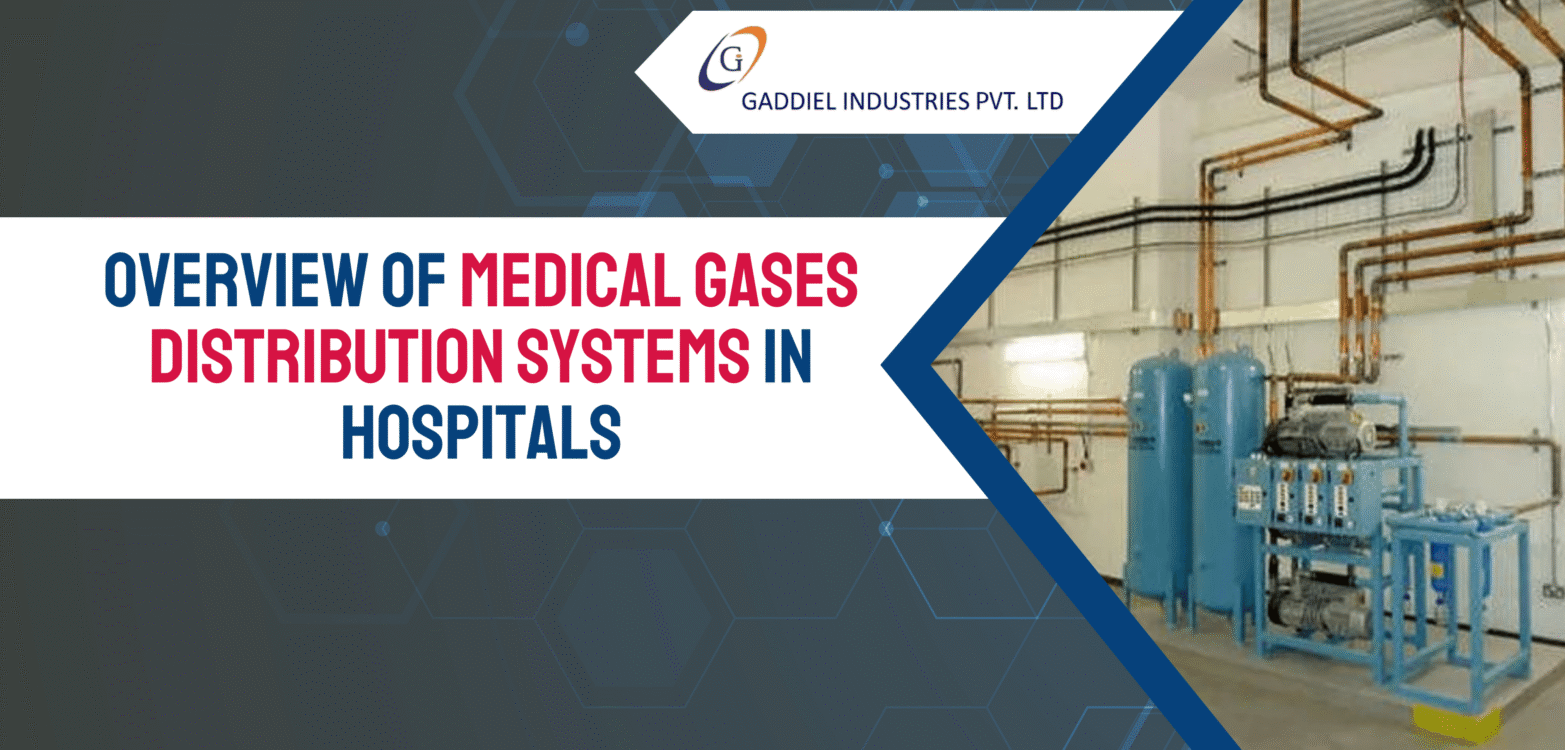
FebMedical gas distribution systems are crucial for the effective delivery of gases necessary for patient care in healthcare settings. These systems ensure that vital gases such as oxygen, nitrous oxide, and medical air are readily accessible in various clinical areas, including operating rooms, intensive care units, and patient wards. The primary function of these systems is to provide a reliable flow of medical gases that are essential for diagnosis, treatment, and supportive care of patients.
The infrastructure of a medical gas distribution system typically consists of a centralized storage facility, pipelines, outlets, and alarm systems. The storage facility often includes large tanks or gas cylinders that are managed carefully to ensure an uninterrupted supply. The distribution network consists of pipelines that transport gases from the storage area to various points of use throughout the hospital. Outlets are strategically installed at specific locations, allowing healthcare professionals to easily access the required gases.
Furthermore, alarm systems are integral to the operation of a medical gas distribution system, as they provide real-time notifications regarding any malfunctions or dangerous conditions.
Safety is paramount when dealing with medical gases, given the potential hazards associated with their use. A well-designed and properly maintained medical gas pipeline system in hospitals plays a critical role in ensuring safe and uninterrupted delivery of essential gases such as oxygen, nitrous oxide, and medical air. Hospitals are required to adhere to strict safety protocols and guidelines to prevent accidents, ensure proper handling, and maintain the integrity of the gas delivery system. Regular maintenance and inspections of the distribution infrastructure, including the medical gas pipeline system in hospitals, are necessary to proactively identify and resolve potential issues. Training healthcare personnel on the safe use of medical gases is also critical in minimizing risks.
By understanding the components and functions of the medical gas pipeline system in hospitals, healthcare providers can ensure optimal patient care and safety during treatment procedures. This awareness is essential for making informed decisions about the management, operation, and long-term reliability of these crucial systems in hospitals.
Importance of Proper Medical Gas Management –
In the intricate environment of hospitals, the management of medical gases is vital for ensuring patient safety, regulatory compliance, and operational efficiency. Medical gases, including oxygen, nitrous oxide, and carbon dioxide, play a crucial role in various medical procedures and treatments. However, improper management of these gases may lead to severe implications, including risks to patient health and safety.
One of the main concerns associated with inadequate medical gas management is the potential for patient safety issues. If medical gas systems are not maintained correctly, there is a higher likelihood of leaks, contamination, or incorrect gas delivery. These failures can lead to adverse patient outcomes, which may range from inadequate treatment to critical medical emergencies, thereby compromising the overall quality of care provided by healthcare institutions.
Additionally, hospitals are subject to stringent regulatory standards regarding the use of medical gases. Non-compliance with these regulations can result in significant penalties, including fines or operational restrictions. Regular maintenance and monitoring of medical gas systems are essential not only to ensure adherence to regulations but also to foster a culture of safety within the hospital setting. Furthermore, staff training is vital to ensure that all healthcare professionals understand the complexities of gas management, recognize the potential hazards, and respond appropriately during emergencies.
The operational efficiency of a hospital can also suffer from poor medical gas management. Disruptions caused by system failures may lead to delays in patient care, increased workflow bottlenecks, and inefficient use of resources. It is crucial for hospitals to implement comprehensive management strategies that encompass meticulous monitoring, consistent maintenance practices, and thorough training programs to avoid these pitfalls.
Preparing for Vendor Discussions: Setting Clear Goals
Before engaging with medical gas vendors, it is essential to establish clear objectives that align with the hospital’s operational requirements and regulatory standards. This preparatory phase involves taking deliberate steps to identify specific needs relevant to the medical gases distribution system and understanding any budgetary constraints. A comprehensive assessment of current processes can illuminate areas warranting improvement, thus allowing management to articulate precise requirements.
Identifying specific needs begins with evaluating the current medical gas system to pinpoint deficiencies, potential areas for expansion, or compliance-related gaps. Stakeholders, including clinical staff, biomedical engineers, and facility management, should collaborate to gather insights that will inform the objectives set for vendor discussions. Moreover, a firm understanding of the hospital’s budgetary limits is crucial; this ensures that the goals established are financially viable and sustainable in the long term.
Once specific needs and budget constraints are identified, the next step is to formulate desired outcomes that reflect the hospital’s vision for its medical gas distribution system. These outcomes should encompass not only the technical aspects of the system but also factors such as reliability, efficiency, and safety standards. A coherent list of goals can aid in effectively communicating these objectives to potential vendors.
Effective communication of goals serves to establish a foundation for productive dialogue with vendors. When the hospital articulates its needs clearly, it facilitates better understanding and alignment with vendor offerings, thereby improving the negotiation process. Clarity in objectives also fosters stronger partnerships, as vendors can tailor their proposals to meet specific requirements. Therefore, investing time in preparing a strategic set of goals will ultimately yield enhanced outcomes in vendor selection and system implementation.
Read More – Understanding NABH Compliance Standards for Modular OTs
Best Practices for Vendor Selection and Engagement
Selecting a suitable vendor for medical gas distribution systems in hospitals is a critical process that involves thorough evaluation and engagement. First, it is essential to assess the vendor’s expertise & experience in the medical gas sector. This can be gauged by reviewing their portfolio, client testimonials, and any certifications they hold, as these factors indicate their reliability and proficiency. No. Roll Team Members should also be explored by taking ESI & PF Challans of the last 1 – 2 years.
Conducting a detailed assessment of potential vendors should include an evaluation of their technical capabilities, service offerings, and adherence to industry standards and regulations. Engaging with their previous clients may provide insights into their performance and the quality of support offered during and post-installation. It is advisable to prepare a checklist of key criteria tailored to the specific requirements of your medical gas distribution system to facilitate comparisons among vendors.
Moreover, it is important to pay close attention to the contractual obligations proposed by the vendor. Contracts should clearly delineate responsibilities, timelines, and scope of work, which can prevent misunderstandings later. Ensure that the terms of service include support and maintenance agreements post-installation, as well as warranty conditions for the equipment provided. Additionally, negotiate any flexible terms that allow for scalability in alignment with the hospital’s growth.
Building strong, long-term relationships with your selected vendors can significantly enhance the quality of service and support your facility receives. Regular communication and feedback can bridge gaps, allowing both parties to address issues promptly. Establishing cooperative partnerships often leads to improved responsiveness and a deeper understanding of your specific needs, ultimately contributing to the successful operation of the medical gas distribution system.