

12
MarWith the rise of digital healthcare, patients expect more than ever. Consumers expect to have quick responses, customized care, a simplified appointment scheduling, and seamless care between doctors and hospitals. Many medical organizations are initiating healthcare CRM systems to achieve these expectations.
A healthcare CRM boosts the ability of hospitals, clinics, and doctors to nurture and work on the patient relationships. CRM technology helps to assess patient engagement and satisfaction from tracking contact, improving communication as well as the follow-ups.
In this blog, we will discuss the working of healthcare CRM software, its benefits, and how hospitals and doctors can leverage it for improved patient engagement.
What is Healthcare CRM?
Healthcare CRM (Customer Relationship Management) system is a digital platform that is used to manage and improve interactions between healthcare providers and patients.
It allows medical organizations to process patient data, maintain communication, send reminders, and deliver personalized health services.
Healthcare management system goes beyond traditional record systems which mainly capture medical data that focuses on building the relationship with the patient to improve their experience over time.
CRM tools help hospitals and clinics to record the patient journey, set appointments, send health reminders, and manage feedback efficiently.
CRM Full Form in Medical
The full form of CRM in medicine is Customer Relationship Management.
CRM in the healthcare industry means technology that helps hospitals and doctors stay in touch and engage better with patients. It provides a centralized platform for the management of appointments, follow-ups, and communication between healthcare providers and patients.
Utilizing CRM software for healthcare to provide timely care, reminders, and personalized communication to patients.
Importance of CRM in Hospitals
Thousands of patients visit modern hospitals every month. It becomes very difficult and time-consuming to handle everything from appointments, communication, reports to feedback manually.
This is where CRM hospital systems come into great use.
- The hospital CRM system helps with:
- Centralizing patient data in a single location
- Automating appointment reminders
- Managing patient queries quickly
- Tracking patient history and communication
- Improving overall patient experience
The CRM hospital platform ensures that the hospital staff spends more time taking care of their patients rather than doing all the back end work.
The Role Of Healthcare CRM In Enhancing Patient Engagement
Patient engagement matters in healthcare. Patients who are engaged follow treatment plans, show up for appointments and stay with their providers for the long haul.
Ways in Which Healthcare CRM Software Improves Patient Engagement:
Personalized Communication
Every single patient is distinct in their healthcare requirements. There is a healthcare customer relationship management system where all of the patient history, choices, and communication records are stored.
The following enables doctors and healthcare teams to send personalized messages like:
- Health reminders
- Appointment notifications
- Follow-up care instructions
- Direct communication establishes faith and the relationship between the doctor and the patient.
- Automated Appointment Management
No Shows Patients failing to attend a scheduled appointment is a big problem for hospitals and clinics.
Use CRM software for the healthcare industry to automate appointment reminders via SMS, email, or mobile notifications for hospitals. This decreases a huge stranger rate as well as time management of doctors is also better.
Patients conveniently get the flexibility and prompt reminders.
Efficient Patient Support
Patients usually have queries regarding appointments, reports, treatment, etc.
Healthcare CRM:
A healthcare CRM (customer relationship management) system helps hospitals maintain patient queries in one platform. This enables quicker responses and improved communication between patients and healthcare personnel.
Quick help which builds up trust in patients.
Better Patient Data Management
Every single day, hospitals are producing a high volume of patient data.
Database:
Health care CRM software organizes this data in a structured way so doctors and administrative staff can easily find important information like:
- Contact information
- Appointment history
- Treatment records
- Communication logs
It improves the services provided by healthcare providers by organizing data more effectively.
Improved Follow-Up Care
Post care guidance is necessary for recuperation and to check long term wellness.
Media and services such as CRM for doctors allow healthcare providers to save the hassle of following up by automatically scheduling when a call needs to be made and reminding patients of it. This ensures that patients adhere to their treatment protocols and also do not miss out on vital check-ups.
Furthermore, routine follow-ups conducted can not only bolster engagement rates but also bolster patient outcomes.
Read Also – Classification of Operation Theater – Design, Function, and Level
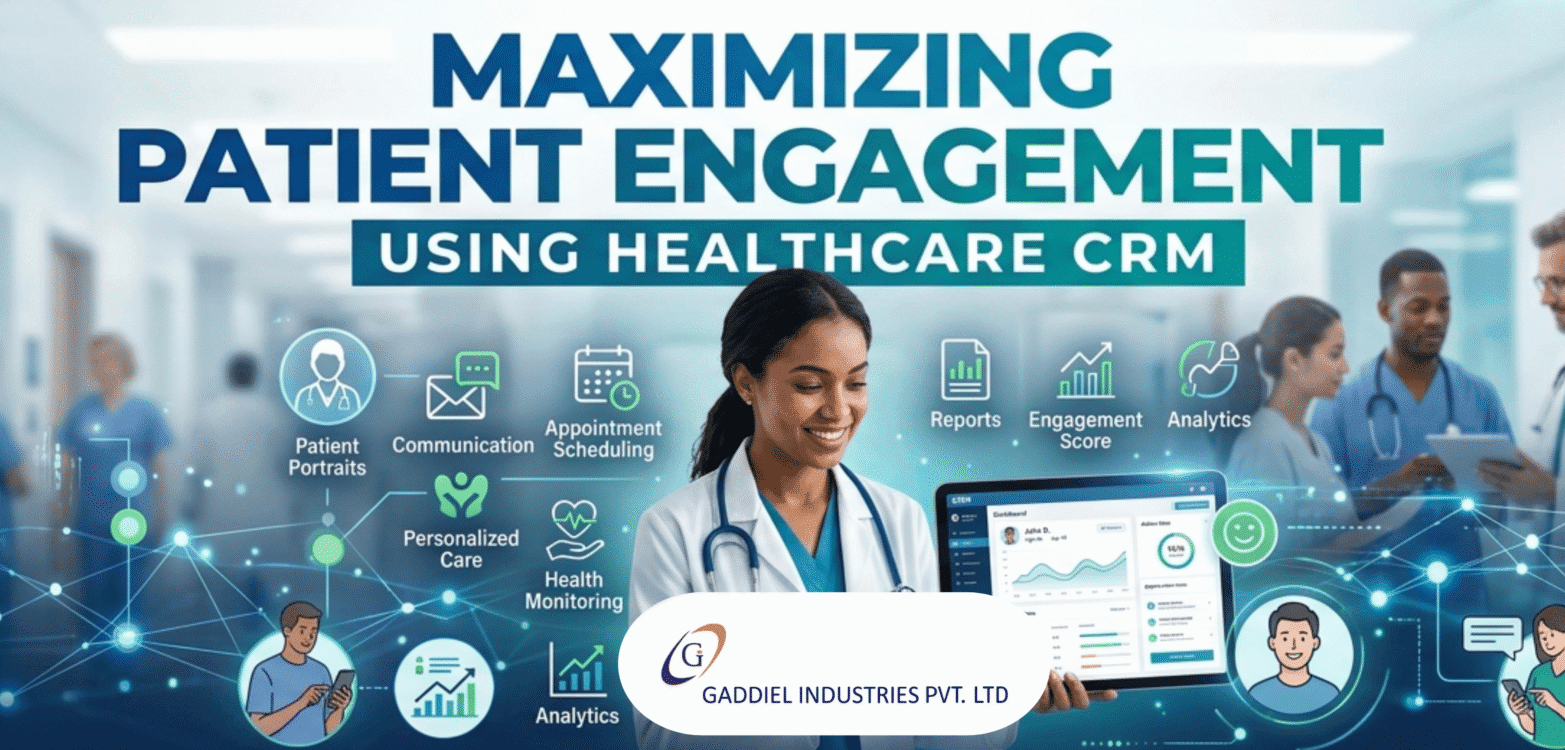
Important Features of Healthcare CRM Software
Today’s healthcare CRM software is equipped with a few features tailored for the medical sector.
Centralized Patient Database
Patient information is all safely housed in one convenient system.
Appointment Scheduling
Patients can easily book, reschedule, or cancel an appointment.
Communication Automation
Users can also auto-schedule reminders, alerts and information on health updates via the system.
Patient Feedback Management
Hospitals can use the system to receive feedback and reviews to make the services better.
Reporting and Analytics
Insights provided in CRM tools can be about patient behaviors, appointment trends, and the performance of services.
These characteristics allow hospitals to make informed decisions and better patient care.
Benefits of CRM for Doctors
A crm for doctors :Their daily operations become less cumbersome and the doctors can focus more on treatment and can let go of administrative work with power crm for doctors.
Key benefits include:
- Reduced paperwork
- Improved patient communication
- Faster appointment management
- Better patient retention
- Enhanced patient satisfaction
It can help doctors monitor their patient’s health and provide more tailored care.
Why the healthcare industry needs CRMs
Digital changes quickly make an impact on the healthcare sector. Patients demand convenience, speed of service, and improved care experiences.
Hospital and clinics can use CRM software for the healthcare industry to:
- Improve operational efficiency
- Strengthen patient relationships
- Enhance communication
- Deliver personalized healthcare services
In fact, a healthcare CRM system, when implemented well, can change the way that medical organizations communicate with patients.
Read Related – MGPS Full Form in Hospital and Its Meaning
Conclusion
In today’s medicine patient engagement is essential. Care must be more than cure for hospitals and doctors, connection with the patients, as we all know, does not only revolve around treatment.
A robust healthcare CRM software enables medical establishments to handle patient communication, automating appointments, and delivering personalized care. CRM technology is important for better healthcare services from enhancing follow-ups to managing patient data.