

18
MarHospital infrastructure importance is not only to comfort the patients but also to provide the staff with a functional environment for productivity and a smooth overall healthcare experience. An aesthetically pleasing hospital interior is a key feature; it should be well planned, enhancing the facility’s appearance while improving functionality, hygiene, and workflow.
Many healthcare facilities have made a big shift in recent years towards a more patient-oriented approach. The modern hospital interior design approach mixes style with medical functionality to make spaces that meet comfort, safety and efficiency. Particularly in clinics and small healthcare facilities where space is at a premium, this is where it will matter next.
This guide sheds light on key aspects of hospital interior design, along with practical ideas and optimization strategies for small hospital interiors to improve patient care.
Importance of Hospital Interior Design
Hospital design and floor plan have a direct impact on patient experience and staff productivity. An ideal hospital interior not only works to reduce the stress of patients but also aids them in navigating their way effectively and smoothly through the facility, the smooth flow of the healthcare professionals, and the end products of a less stressful hospital interior.
The main advantages of proper hospital interior design are:
- Improved patient comfort and satisfaction
- Better infection control and hygiene
- Efficient space utilization
- Enhanced staff productivity
Make a positive first impression with patients and visitors
Gone are the days of hospitals being no-frills spaces; the latest hospital designs incorporate healing, comfort and efficient design into the scheme.
Essential Elements of Hospital Interior Design
Hospital interior design involves consideration of several factors that must be considered without compromising beauty and functionality.
Read Also This: Air Handling Unit: Types, Installation & Working Guide
Reception and Waiting Area
The reception area is the initial point of contact for the patients and visitors. Having a smoother experience with their initial encounters within the hospital expresses to the patients that the institution is kind and well-organized.
Important features include:
- Comfortable seating arrangements
- Clear signage and navigation
- Natural lighting
- Calm and soothing colors
- Digital queue management systems
Both common hospital magazine photos, waiting areas with modern furniture and warm lighting, to provide relief from stress.
Consultation Rooms
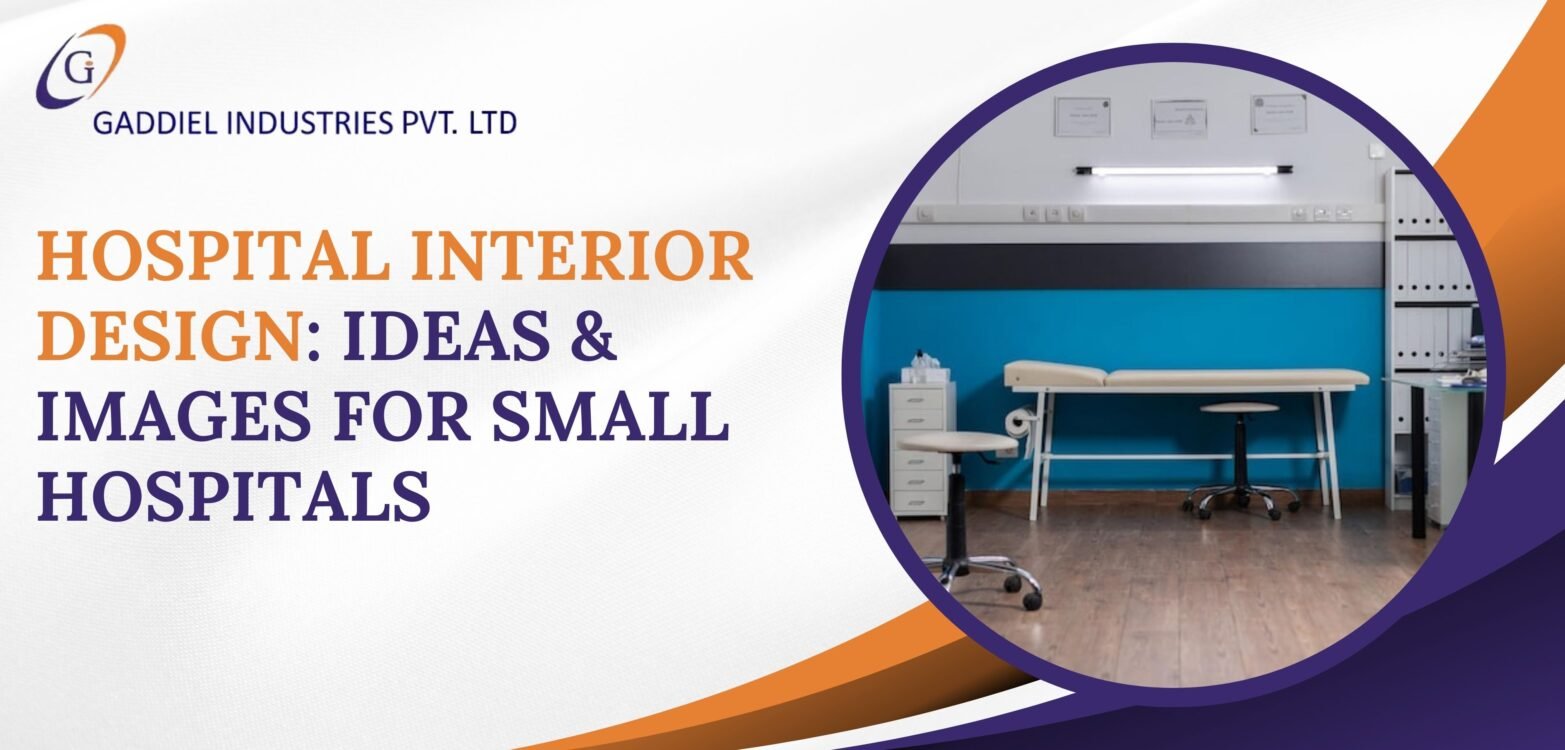
Doctor consultation rooms need to be private yet effective. Important considerations include:
- Proper lighting for medical examination
- Comfortable seating for patients
- Organized storage for medical equipment
- Clean and clutter-free design
A good hospital interior design makes sure that the environment of the consultation room remains comfortable while still professional.
Patient Wards
The emphasis in patient wards must be on comfort, cleanliness and accessibility.
Key design features include:
- Adequate space between beds
- Proper ventilation and lighting
- Easy access to medical equipment
- Noise reduction design
Images of modern hospital interiors frequently feature patient rooms adorned with soft tones and ergonomic designs intended to expedite the recovery process.
Read Also This: MGPS Full Form Explained: Hospital Equipment & Components
Operation Theatre Design
OT should be designed to common and strict codes to allow and maintain both sterile and safe areas. Important aspects include:
- Antibacterial wall panels
- Proper air filtration systems
- Adequate lighting and equipment positioning
- Seamless flooring for hygiene
A professional hospital interior design ensures healthcare safety norms. Design considerations include:
- Extra-wide hallways for gurneys and wheelchairs
- Clear directional signage
- Non-slip flooring
- Proper lighting for safety
An efficiently designed hospital interior ensures that people can move seamlessly throughout the facility.
Small Hospital Interior Design Ideas
But since most health care facilities in the states are small and perhaps not as suited to your design style, an efficient space plan is required for the design of interiors at many health care facilities. A small hospital interior design can even make small spaces appear organised and efficient when contemplated judiciously.
Smart Space Utilization
Space saving using modular furniture, wall cabinets and compact medical equipment. Use as much of the available space as possible without rendering the facility overcrowded with areas to conduct your business.
Light Colors and Natural Lighting
Light walls with proper lighting give an open and warm effect to a small area. Hospital interior shots of modern clinics often favor white, beige, or pastel schemes to radiate peace and tranquility.
Multi-Functional Areas
In other hospitals with fewer patients, the rooms might have more than one purpose. As an example, a consultation room might double as a room for minor procedures.
Flexible interior small hospital interior design leaves room for the most efficient utilization of the available space.
Efficient Storage Solutions
Storage is needed to maintain organized medical supplies but also to aid in clean storage. Cabinetwork and hidden storage keep the interior of the hospital clear.
Patient-Friendly Design
Comfort should not be sacrificed, even at smaller hospitals. Proper Ventilation, Calming Decor and Comfy Seats aid a positive Patient Experience.
How Hospital Interior Images Help in Planning?
Most of the hospital owners take reference from hospital interior images before designing a hospital. These images make it easier to visualise the layout ideas, furniture layout, lighting design and the colour theme.
Hospital planners need to understand through professional images of hospital interiors:
- Space optimization techniques
- Modern design trends in healthcare
- Efficient equipment placement
- Patient-friendly layouts
These references are used by architects and hospital planners to achieve a functional and aesthetic healthcare environment.
Read Also This: Maximizing Patient Engagement Using Healthcare CRM
2026 Trends of Interior Design In Modern Hospitals
As technology advances and the standards for patient care improve, so does the healthcare interior design.
Some popular trends include:
- Minimalist and clutter-free design
- Use of antimicrobial materials
- Digital screens and intelligent navigational assistants
- Healing environments with natural elements
- Energy-efficient lighting solutions
The contemporary interior design of hospitals provides a comfortable atmosphere for the patients as well as technology.
Frequently Asked Questions (FAQs)
What is hospital interior design?
Hospital interior design is the planning and design of spaces where healthcare is provided, including but not limited to reception areas, patient wards, operation theatres, and consultation rooms to facilitate functionality, safety, and comfort of patients and their families.
Why is the hospital interior important?
A well-planned hospital interior not only provides an effective patient experience but also enhances the much-needed efficacy in the work process of the healthcare staff, ensuring hygiene and safety standards.
How can small hospitals upgrade their interior design
The emphasis is on good space use, with utilitarian finishes (light colours, especially), modular furniture and the layout is planned for optimum operations within the limited footprint in a smart small hospital interior design.
Where can hospital owners find hospital interior common spaces for ideas
Most hospital planners are eagerly stealing images of hospital interiors from architectural portfolios, healthcare design companies, and design websites.
Which colors are good for the interiors of hospitals?
Hospitals usually wear soft colours too like white, black, and white light blue,e beige and other pastel shades, which lends a clean and soothing look.
How is small hospital interior design carried out?
Space management, ventilation, comfort for patients, efficient storage, and compliance with safety standards in healthcare are some of the important elements they need to focus on.
Conclusion
The interior of a hospital plays a critical role in the quality of healthcare services. Each space ranging from reception areas, consultation rooms, patient wards and operation theatres, needs to be designed keeping in mind the functionality, safety, and comfort.
Modern hospital interior design is like striking a balance between creating friendly environments and adhering to strict healthcare standards. However, a well-designed small hospital interior design can make even the tiniest space work more effectively, improving frequency flow and creating a better quality experience for patients.
Through the representation of contemporary hospital interiors and examples of different design solutions, the article informs readers from the healthcare settings on how to achieve their spaces in a way that combines both medical environment excellence and patient-focused care.