

24
MarUnderstanding Nurse Call Systems
What is a Nurse Call System?
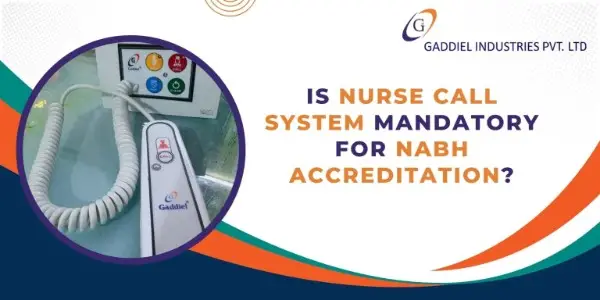
A nurse call system is a vital communication tool utilized within hospital settings, designed to enhance interaction between patients and healthcare professionals. The primary components of a nurse call system typically include call buttons, control panels, and alert mechanisms that enable patients to summon assistance easily. When a patient activates the call button, it alerts the nursing staff to their need for care, ensuring a swift response to various situations that may arise.
Key Features and Functionality
The functionality of a nurse call system is grounded in its purpose: improving patient care and safety by facilitating immediate communication. This system ensures that patients, especially those with limited mobility or critical conditions, can reach out for help whenever necessary. Beyond merely signaling for assistance, modern nurse call systems can integrate additional features, such as voice communication, video support, and integration with medical devices, which collectively enhance the efficiency of healthcare delivery.
Importance in Patient Care and Safety
Moreover, the significance of the nurse call system extends beyond immediate responses to patient needs. They provide essential data for hospitals, allowing them to monitor response times and performance metrics, which are critical for continuous improvement in care standards. As patient-centric approaches gain momentum in healthcare, these systems play a crucial role in ensuring that patients feel heard and cared for, contributing to overall satisfaction and safety during their hospital stay.
Summary
In summary, nurse call systems are indispensable components of modern healthcare facilities. They embody the key principles of communication and responsiveness which are central to high-quality patient care. By bridging the gap between patients and healthcare providers, these systems not only facilitate timely assistance but also instill a sense of security and comfort for patients undergoing treatment.
NABH Accreditation: An Overview
Introduction to NABH
The National Accreditation Board for Hospitals & Healthcare Providers (NABH) represents a significant initiative aimed at improving the quality of healthcare services in India. Established in 2006, NABH functions under the guidance of the Quality Council of India, providing accreditation to hospitals and other healthcare organizations that meet specific standards. The accreditation process is designed to uphold patient safety and promote quality assurance within the healthcare system.
NABH Standards and Framework
NABH has developed a comprehensive set of standards that encompass various dimensions of service delivery, including patient rights, infection control, and management of medical records. By adhering to these standards, healthcare facilities demonstrate their commitment to delivering safe and effective care. Accreditation not only enhances the credibility of hospitals but also instills confidence among patients seeking high-quality medical services.
Importance of Accreditation
The importance of NABH accreditation cannot be overstated, particularly in today’s competitive healthcare environment. Accredited hospitals are expected to maintain continuous quality improvement practices, ensuring that they meet evolving patient needs. This ongoing evaluation fosters an environment where healthcare providers can implement best practices and innovate based on clinical guidelines.
Read Also This: Understanding NABH Compliance Standards for Modular OTs
Benefits for Healthcare Providers
Moreover, NABH accreditation is essential for hospitals aiming to receive government funding or insurance reimbursements, as it serves as a benchmark of quality. By adhering to NABH standards, healthcare facilities can effectively increase their operational efficiency, reduce medical errors, and enhance patient outcomes. As such, achieving NABH accreditation should be viewed not merely as a regulatory requirement, but as a cornerstone of a healthcare provider’s commitment to excellence.
Is Nurse Call System Required for NABH Accreditation?
Understanding NABH Requirements
The National Accreditation Board for Hospitals & Healthcare Providers (NABH) functions as a pivotal body in ensuring the quality and safety standards of healthcare services in India. While the NABH standards offer a comprehensive framework for hospitals to enhance care delivery and patient safety, the specific requirement of implementing a nurse call system is subject to interpretation within those standards.
Role of Communication in Patient Care
A nurse call system can significantly improve communication between patients and healthcare providers, facilitating timely responses to patient needs, which is a core aspect of providing quality care. It underscores the importance of effective communication as part of patient safety and quality of care metrics. The guidelines within the NABH manual imply that hospitals should utilize reliable technologies to ensure prompt assistance and support for patients.
Alignment with NABH Standards
In this context, a nurse call system aligns with the overall objectives of NABH and enhances the operational efficiency of healthcare services. Technology plays a transformative role in modern healthcare environments, and integrating such systems helps hospitals achieve higher levels of patient satisfaction and compliance with care standards.
Final Verdict
Furthermore, considering NABH’s focus on patient rights, privacy, and feedback mechanisms, implementing a nurse call system becomes highly valuable. While it may not be explicitly mandatory, it is strongly recommended as it supports hospitals in meeting multiple accreditation criteria and improving overall service quality.
Benefits of Implementing Nurse Call Systems in Hospitals
Improved Response Time
The implementation of nurse call systems in hospitals is increasingly recognized as a critical aspect of modern healthcare delivery. One of the primary advantages of these systems is the significant improvement in response times. By allowing patients to quickly and easily alert nursing staff to their needs, hospitals can ensure timely interventions, which is crucial, especially in critical care environments.
Enhanced Patient Satisfaction
In addition to enhancing response times, nurse call systems contribute to improved patient satisfaction. When patients feel that their needs are being addressed promptly, they are more likely to report positive experiences during their hospital stay. This leads to better patient reviews and a stronger hospital reputation.
Increased Operational Efficiency
An additional benefit is the potential for increased operational efficiency. These systems provide valuable data regarding patient requests, helping healthcare providers analyze workflow and identify areas for improvement. By streamlining communication, hospitals can reduce bottlenecks and optimize resource allocation.
Contribution to NABH Compliance
The integration of a nurse call system is not merely an operational upgrade; it is a vital component in achieving and maintaining NABH accreditation. Hospitals that effectively utilize these systems demonstrate their commitment to patient safety and care quality, positioning themselves favorably in a competitive healthcare landscape.