

Compressed Airline Monitors
- Home
- Compressed Airline Monitors
Introduction to Compressed Airline Monitors
Compressed airline monitors are safety devices used in both healthcare and industrial applications to monitor compressed air during preparation prior to delivery to critical systems. Where this pipeline system is installed, the air needs to be kept clean and pure, especially in hospitals. Air purity monitors These monitors are essential for the protection of patients and devices by continuously measuring the air quality level.
What Are Compressed Airline Monitors?
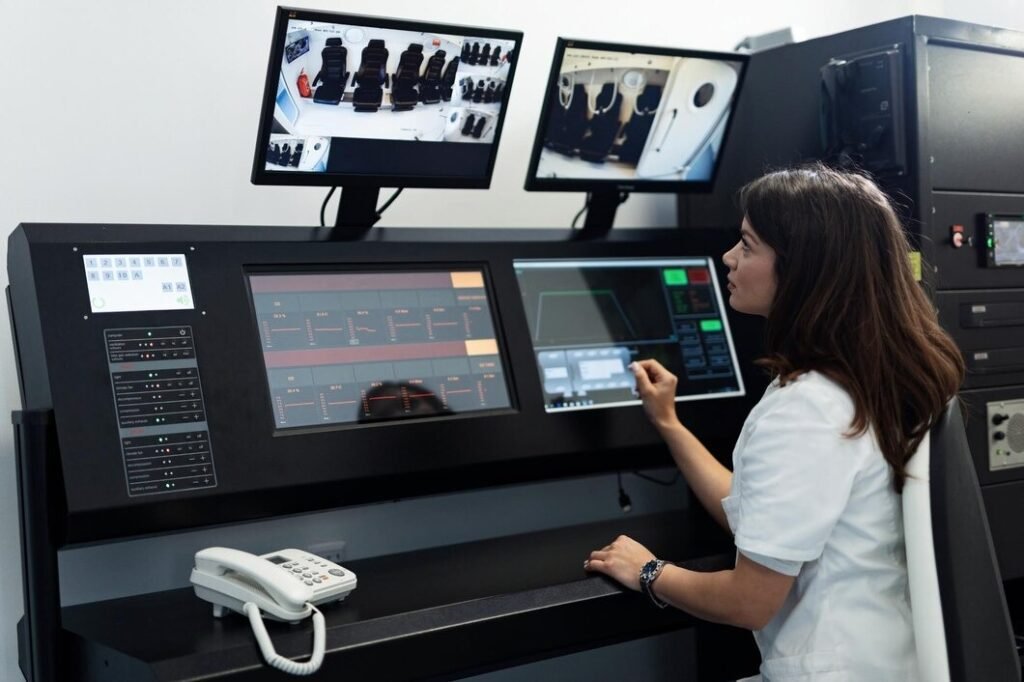
Air monitors – also called compressed air monitors — are sophisticated sensors that can monitor for the presence of contaminants in compressed air lines, including carbon monoxide (CO) and oil vapors and moisture. In case air quality goes lower than permissible limits, it immediately provides alerts in real-time for corrective action. Specifically in modular OT, these systems are used in sensitive areas and precision and hygiene are of obvious importance.
Highlighted Characteristics of Compressed Airline Monitors
Real-Time Air Quality Monitoring
These devices constantly monitor the compressed air to check whether there are toxic gases and impurities in the air, thus guaranteeing its safe use in a medical environment.
Advanced Alarm Systems
Staff are alerted immediately of any breaches of the contamination limit through built-in alarms, helping to avoid health risks.
Digital Display & Controls
There are also intuitive interfaces that make it easy to have a clear reading on the system status to monitor and make quick decisions.
High Sensitivity Sensors
These monitors have precise sensors, so they can identify even particulate levels of contaminants, improving safety.
Integration Capability
Compatible to connect with a medical gas pipeline system for centralised monitoring and control.

Advantages of compressed airline monitors
Compressed airline monitors are safety devices used in both healthcare and industrial applications to monitor compressed air during preparation prior to delivery to critical systems. Where this pipeline system is installed, the air needs to be kept clean and pure, especially in hospitals. Air purity monitors These monitors are essential for the protection of patients and devices by continuously measuring the air quality level.
- Improved Air Quality Assurance
- Certifies the quality of the compressed air to medical-grade
- Reduced Health Risks
- Reduces exposure to toxic gases and pollutants.
- Cost-Effective Maintenance
Significance in Modular OT & Healthcare Facilities
Ensuring Patient Safety
Clean air is the most important requisite for performing surgery in a Modular OT. When impurities in air supply can get into a sterile environment, being an air source, Compressed Airline Monitors help in maintaining sterile conditions.
Protecting Medical Equipment
Pollution free air does not harm delicate and sensitive medical devices which improves durability & capability.Regulatory Compliance The hospitals have to observe stringent security measures. Monitors that ensure quality in air, one of the requirements for compliance.
Operational Efficiency
The continuous monitoring helps in reducing the downtime and also the unexpected failures in the Medical Gas Pipeline System.
Frequently Asked Questions
Q1. What is a Compressed Airline Monitor?
A compact air quality detector for compressed air that detects individual contaminants (e.g. carbon monoxide and oil vapours) at the same time.
Q2. Why is it a big deal in healthcare?
It guarantees a harmless, neat air supply & cementitious link, especially in crucial fields like Modular OT & ICUs.
Q3 What contaminants does it detect?
They sense carbon monoxide, oil vapours, humidity and other particulates in the air.
Q4. Does it require regular maintenance?
Its effective performance requires calibrating and regular maintenance.