

29
Dec
#Wall Corner Guards in Hospitals
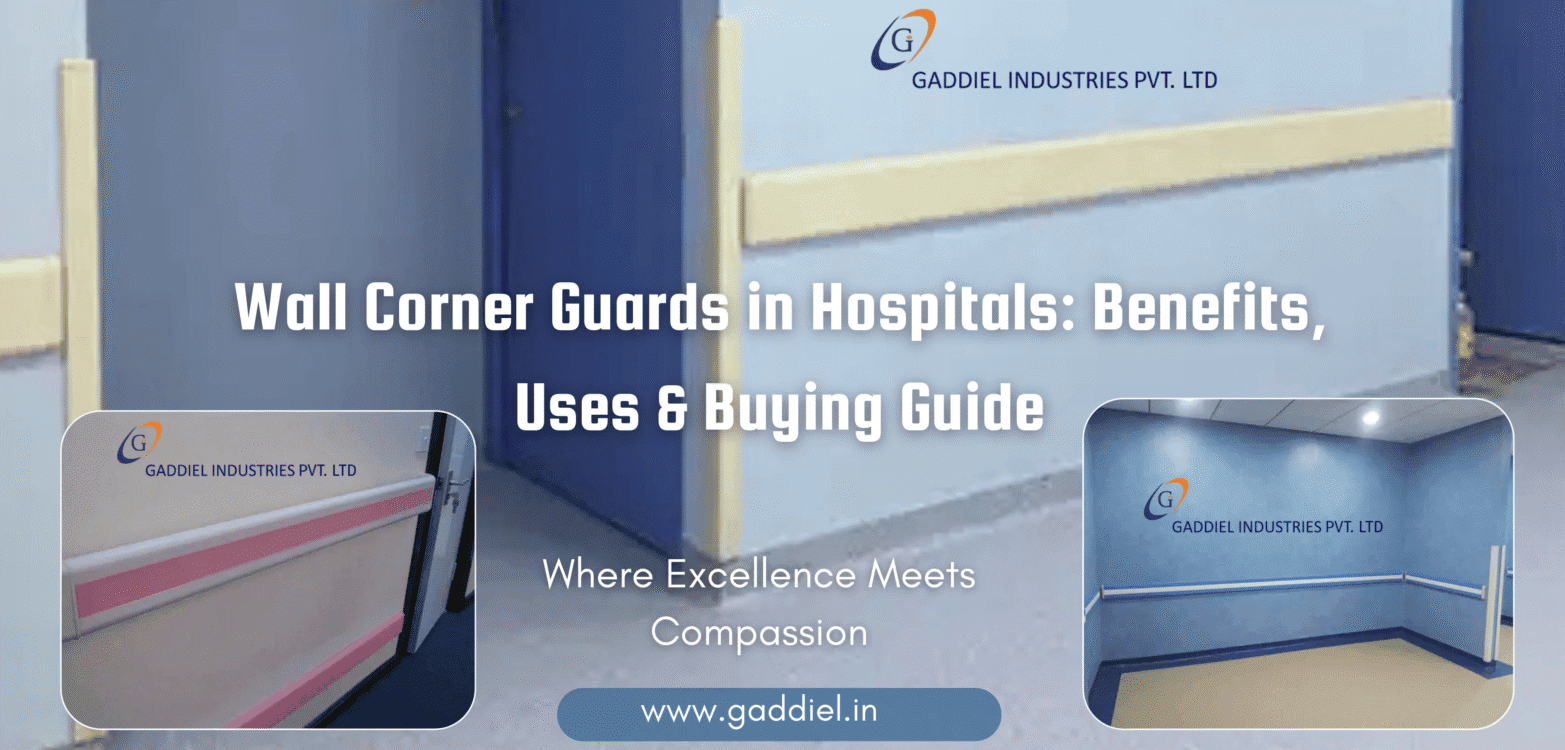
Hospitals are places of high activity in which cleanliness, safety and long-term durability are equally important. From busy corridors to patients rooms and operation theaters walls are always vulnerable to damage from stretchers, wheelchairs and medical trolleys, beds and more. A majorly vulnerable area of the hospital’s rooms is the wall corner. This is the reason it is now a requirement of the modern healthcare infrastructure.
Although small in size as well as are a significant factor in securing walls, increasing security and also reducing maintenance costs.
What Are Wall Corner Guards?
are a type of security fixture that is installed at the exterior edges of walls to protect them from injuries caused by repeated collisions. In hospitals they are constructed to handle the rigors of heavy use and maintain hygiene standards.
come in different materials, including PVC aluminum, stainless steel acrylic, and rubber. The materials are selected in accordance with their durability, cleanliness and the particular requirements of hospitals.
Why Wall Corner Guards in Hospitals Are Essential
Hospitals are open 24 hours a day and have greater movement than commercial structures. In the absence of protection, walls may chip, crack or reveal sharp corners in an extremely short period of time. The installation of aids in maintaining the wall’s integrity while providing the safety of staff members, patients and visitors.
Furthermore, walls that are damaged can be a source of dust and bacteria which can be a major issue in health facilities. The right aid in preventing infection by keeping surfaces clean and simple to clean.
Key Benefits of Wall Corner Guards in Hospitals
1. Superior Wall Protection
The rooms and corridors of hospitals experience the constant movements from heavy machinery. help absorb the force of impact and avoid repeated damage, prolonging the lifespan of walls.
2. Improved Safety
Wall corners that are chipped or broken can result in injuries. The smooth and rounded lower the risk of injuries from cuts or bruises as well as accidents, particularly for people who are unable to move.
3. Better Hygiene & Infection Control
Porous are not able to retain moisture or dirt and are therefore easy to wash and disinfect. This helps with hospital hygiene procedures and decreases risk of contamination.
4. Lower Maintenance Costs
Repetitive wall repairs add up to operating costs. Installing long-lasting drastically reduces the need for long-term repairs and repainting expenses.
5. Professional Interior Appearance
Clean, unaffected walls make an inviting impression. Wall corner guards can help hospitals keep their spaces neat and organized.
Common Uses of Wall Corner Protectors in Hospitals
are extensively utilized in:
- Hallways and corridors in hospitals
- Wards and patient rooms
- Intensive Care Units (ICUs)
- Theaters for opera
- Emergency departments
- Rooms for diagnostic and imaging
- Nursing stations and laboratories
Every area needs a distinct kind or dependent on the traffic flow and the force of impact.
Types of Wall Corner Guards Used in Hospitals
- Light and economical options that are ideal for moderate to low traffic zones.
- Heavy-duty versions are designed to absorb impacts in areas with high risk
- Available in flexible and rigid designs to fit a variety of applications.
- Durable materials paired with a sleek, contemporary style
How to Choose the Right Wall Corner Guards
When choosing take into consideration these points:
1. Material Strength
Select materials that can stand up to continuous impact and regular cleaning.
2. Hygiene Compliance
Check that you are sure that they comply with hospital infection-control as well as safety requirements.
3. Area of Installation
The corridors that are heavily used require more robustness and rooms for patients could require more pliable or visually appealing alternatives.
4. Ease of Installation
Choose security guards which are easy to put in without disrupting the hospital’s operations.
5. Design & Finish
Choose colors and finishes to match the interiors of hospitals and provide safety by ensuring visibility.
Read Related – Classification of Operation Theater – Design, Function, and Level
Conclusion –
provide a basic yet effective solution to secure walls, enhance safety and keep hygiene standards. Although often ignored, high-quality along with are a significant contributor to cost savings over the long term and provide a more secure healing setting.
Making the investment in the best wall protection today will ensure the durability, cleanliness and professional service for many years to follow.