

Medical Gas Monitoring System
- Home
- Medical Gas Monitoring System
Keeping Healthcare Safe & Accurate
Overview of the medical gas monitoring system for piped medical gases
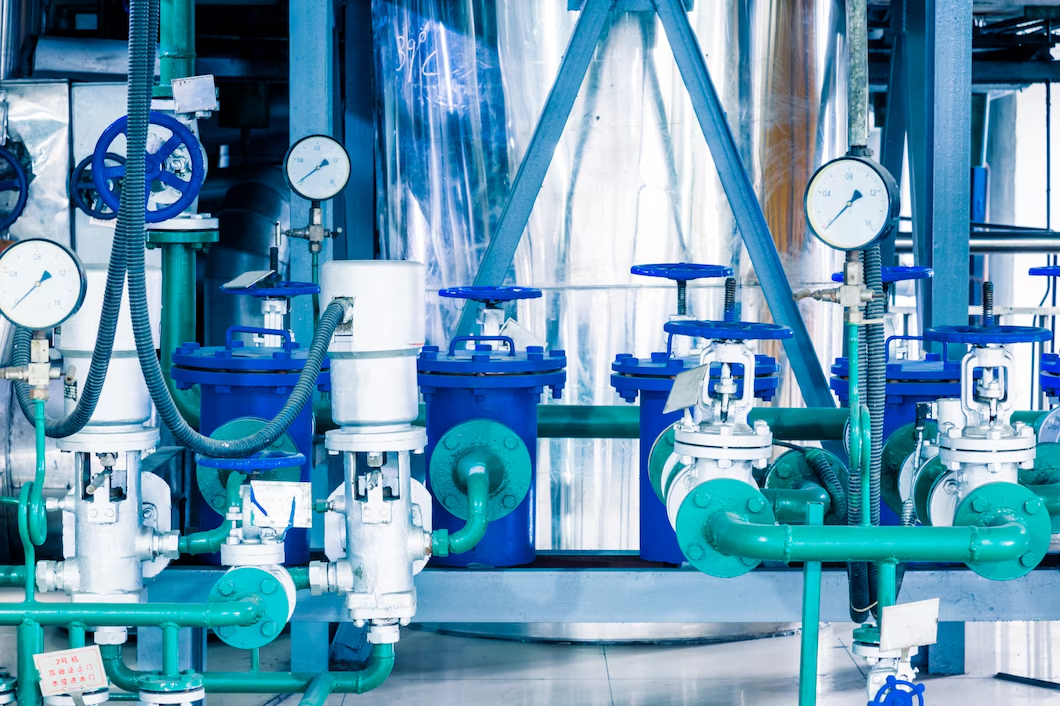
Medical Gas Monitoring SystemsWhat Are Medical Gas
Monitoring Systems?
Important Elements of Medical Gas Monitoring Systems
Pressure Monitoring Sensors
They are used to detect the pressure of gas within the pipeline system and control pressure to the safety operating range.
Alarm Systems
Alarm units deliver instant warnings in the event of doubtful pressure, leaks, or system defaults so that the medical staff can respond immediately.
Digital Display Panels
Prompts — User-friendly screens show real time information, making it easy for hospital staff to monitor and manage the system effectively.
Zone Monitoring Units
They are used to geographically monitor a hospital by isolating specific areas without shutting down the entire Medical Gas Pipeline System.
Data Logging Systems
They also keep historical records for analytics, maintenance planning and regulatory compliance for healthcare.
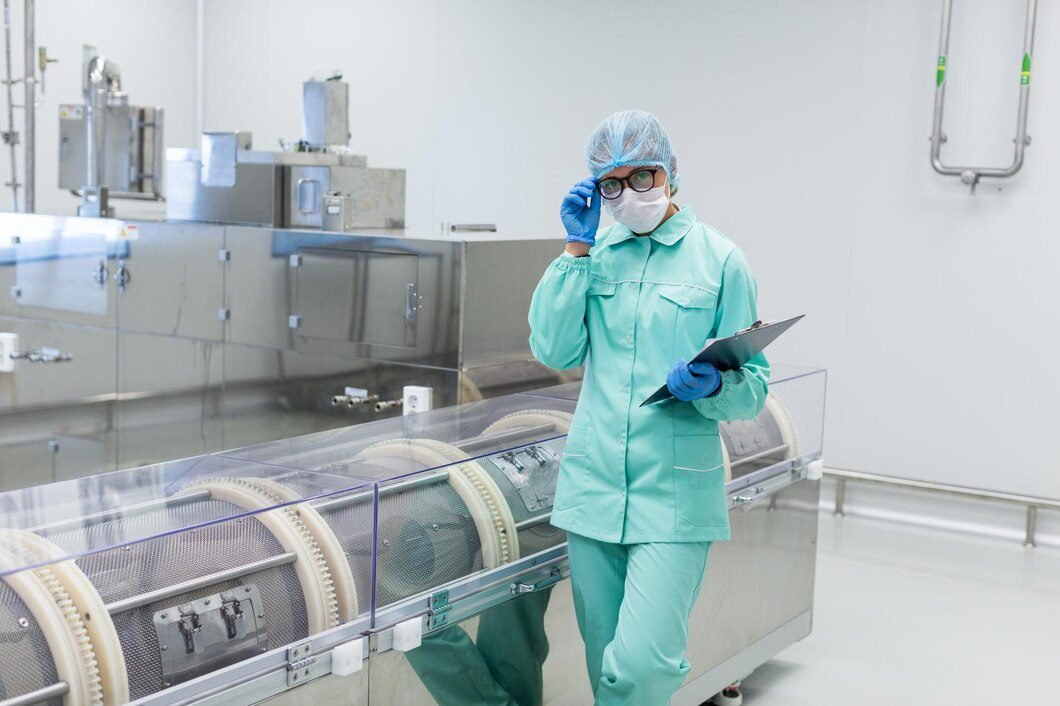
Centralized Medical Gas Pipeline Systems in Modular Operation Theatres
ImporPrecision and hygiene are two non-negotiables in a modular OT. In a hospital, gas supply for use during surgical procedures, such as monitoring systems, is critical, as these systems ensure a continuous, contamination-free supply. Improved coordination and safety through centralized control of the medical gas pipeline system.
tance in Modular OT & Critical Areas
Medical Gas Monitoring Systems – Advantages
- Enhanced Patient Safety
- Provides low risk of failing the supply of gas with online monitoring.
- Improved Operational Efficiency
- In hospitals, early fault detection translates to less downtime and continuous operation of hospitals.
Frequently Asked Questions
Q1. What is a Medical Gas Monitoring System?
It is a system to monitor and control the delivery, pressure and safety of medical gases used in facilities of healthcare.
Q2. Why does it deserve attention from hospitals?
It guarantees an uninterrupted and secure supply of gases, especially in the crucial areas like ICU and Modular OT.
Q3. Is it compatible with current systems?
The answer is yes; most systems can be integrated with an existing Medical Gas Pipeline System.
Q4. How do alarm systems help?
It alerts for any discrepancies instantly to take corrective actions without wasting time.
Q5. Does it require maintenance?
However, yes, it does require some maintenance to keep it precise and functional.