



21
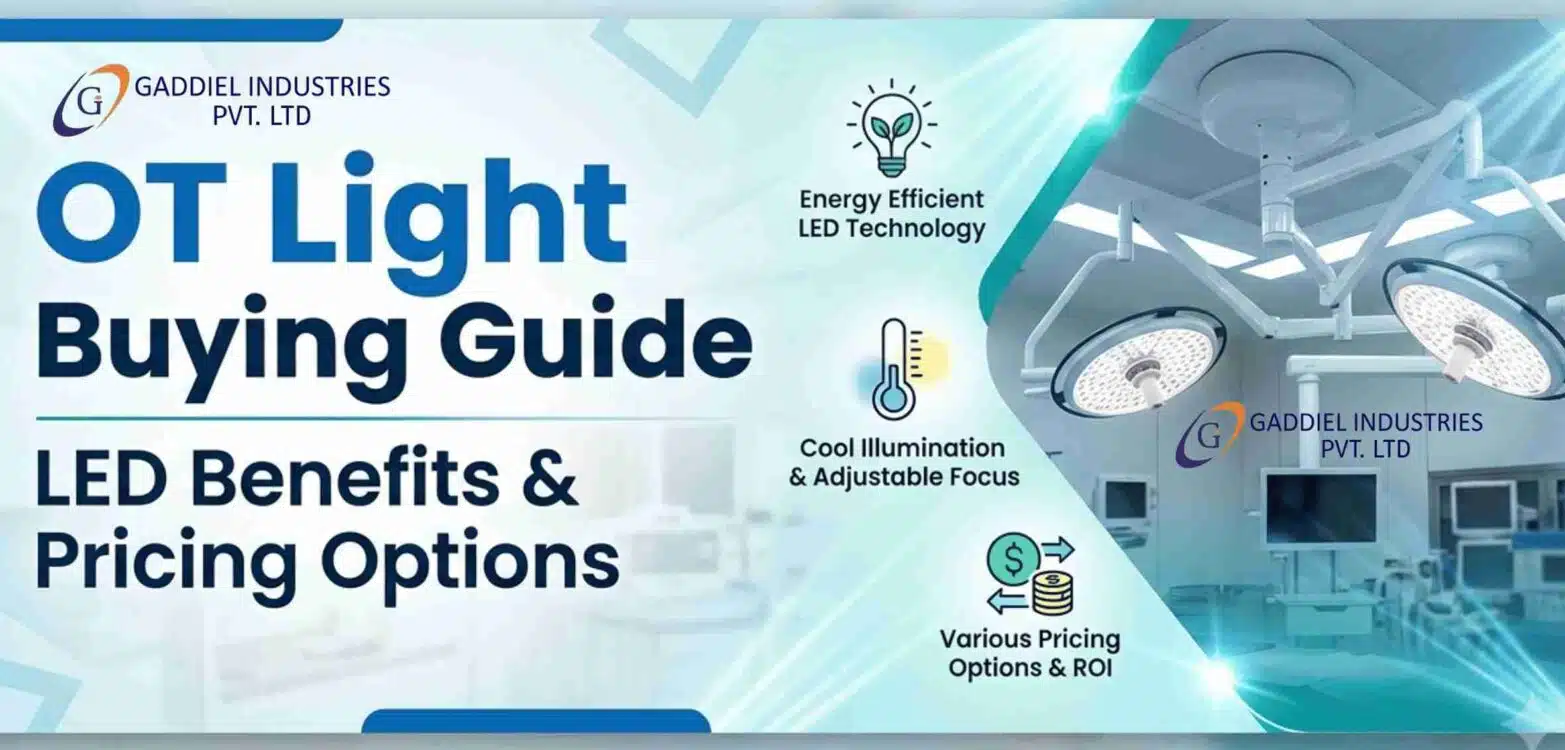
AugAn OT light is one of the most important pieces of equipment in a surgical environment because it helps clinicians see the operative field clearly, consistently, and comfortably. Whether used in a full operation theatre, a minor procedure room, or a mobile clinical setup, the right operating light supports precision, workflow, and patient safety. This guide explains what an OT light of a modular operation theatre does, why LED technology is widely preferred, and what to consider when comparing features and OT light price options.
What Makes An Ot Light So Important In Surgical Care?
An OT light is important because surgery depends on clear visibility, accurate color recognition, and dependable illumination over a focused area. Unlike ordinary room lighting, a medical operating light is designed to reduce shadows, control heat, and maintain brightness even when surgeons or instruments move around the field. That combination helps the surgical team work with better confidence and less visual strain.
In an operation theatre, lighting is not just about making the room brighter. The light must help clinicians distinguish tissue, blood vessels, depth, and fine details without glare or distraction. A well-designed OT light contributes to smoother procedures by keeping the field visible from the first incision to final closure.
It also affects efficiency. When the surgical team does not need to repeatedly adjust the lamp, pause because of shadows, or compensate for poor color rendering, the workflow becomes more stable. This is why choosing the right operation theatre light is a practical decision, not just a technical purchase.
Clear Illumination Improves Surgical Accuracy
The main benefit of an OT light is focused, high-quality illumination. Surgical work often involves small structures, subtle color differences, and deep cavities where normal overhead lighting is not enough. A proper surgical light delivers strong, concentrated brightness where it is needed while helping the rest of the room remain comfortable for the team.
Good illumination supports three practical needs:
- Depth visibility: The team can see into incisions, cavities, and narrow working areas with better clarity.
- Color recognition: Natural-looking light helps clinicians identify tissue condition and bleeding more accurately.
- Stable focus: The light beam remains useful across the surgical site without creating harsh glare or uneven patches.
This is especially valuable during long procedures. When lighting quality is poor, the eyes work harder, and small details may become harder to judge. A dependable OT light reduces that burden by giving the team a cleaner, more consistent view.
Read Related – What is the full form of HEPA Filter & HEPA filter for OT
LED OT Light Technology Offers Practical Advantages
A led ot light is commonly preferred because it combines strong illumination with energy efficiency, lower heat generation, and longer service life compared with older lighting systems. In a clinical setting, these benefits matter every day because the light must perform reliably, often for extended hours.
Lower heat is one of the biggest advantages. Traditional lamps can add warmth to the surgical field and the surrounding work area, which may cause discomfort during long procedures. LED systems typically produce less radiant heat, helping maintain a more comfortable environment for both the surgical team and the patient.
LED lights also provide stable brightness and can often be adjusted based on the procedure. For example, a minor surface procedure may not need the same intensity as deeper surgical work. Adjustable intensity gives the team more control and helps prevent unnecessary glare.
Key benefits of LED technology include:
- Reduced heat near the surgical field
- Lower energy consumption during routine use
- Consistent illumination over time
- Adjustable brightness for different procedures
- Longer lamp life, depending on the model and usage
- Better support for modern theatre layouts and equipment integration
These benefits make LED options a practical choice for hospitals, specialty clinics, dental surgery rooms, maternity centres, and day-care surgical facilities.
Shadow Control Supports Smoother Teamwork
During surgery, many things can interrupt light: hands, instruments, heads, monitors, and movement around the table. A quality operation theatre light is designed to reduce shadows so the operative field remains visible even when several people are working closely together.
This is usually achieved through multiple light sources, well-planned reflector design, and adjustable lamp heads. The result is not the complete absence of shadow, but better shadow management. When the light can reach the target area from multiple angles, the team can move naturally without constantly blocking visibility.
Shadow control is particularly useful in procedures where more than one clinician needs access to the same field. It helps the lead surgeon, assistants, nurses, and technicians coordinate their work without frequent lighting interruptions. Over time, this can improve theatre rhythm and reduce small but frustrating delays.
Portable OT Light Options Add Flexibility
A portable ot light is useful when fixed ceiling-mounted lighting is not practical, available, or sufficient. It can support minor procedure rooms, emergency areas, outpatient departments, examination rooms, temporary setups, or backup needs in a hospital. Because it can be moved where required, it gives facilities more flexibility in how they manage clinical space.
Portable models are especially helpful for smaller clinics that need reliable illumination but may not have the infrastructure for a ceiling-mounted system. They can also support specialized departments where procedures happen in different rooms throughout the day. Instead of relying on general lights or moving patients unnecessarily, teams can bring focused lighting to the point of care.
When considering a portable ot light, look for practical details such as:
- Smooth mobility and stable base design
- Easy positioning without drifting
- Adjustable height and lamp head movement
- Brightness control suitable for minor procedures
- Simple cleaning and infection-control-friendly surfaces
- Reliable power options based on the intended setting
Portability should never come at the cost of stability. A light that is difficult to position or easy to disturb can slow the team down. The best choice is one that moves easily when needed but stays steady during use.
Read Related – Laminar Air Flow: Functions and Uses in Hospitals
How Should You Compare OT Light Features Before Buying?
You should compare OT light features by focusing on clinical use, room layout, light quality, ease of adjustment, maintenance needs, and budget. The best option is not always the most advanced model; it is the one that fits the procedures, space, and workflow of the facility. A practical comparison helps you avoid paying for features you may not use while still choosing equipment that performs reliably.
Start with the type of procedures performed most often. A major operation theatre may need a high-performance ceiling-mounted system with dual domes and advanced controls. A clinic handling minor surgeries may need a compact wall-mounted or portable model. A procedure room may require balanced brightness, easy cleaning, and flexible positioning more than premium theatre-level specifications.
A simple buying checklist can help:
- Define the use case. Decide whether the light is for major surgery, minor procedures, examinations, emergency care, or backup use.
- Assess installation needs. Check whether the room supports ceiling, wall, mobile, or hybrid installation.
- Review illumination quality. Consider brightness range, field size, shadow control, and color rendering.
- Check heat management. Choose a design that supports staff comfort and patient care during longer procedures.
- Evaluate movement and positioning. The lamp should be easy to adjust and stable once placed.
- Consider cleaning needs. Smooth surfaces and practical handle designs can support hygiene protocols.
- Plan service and maintenance. Ask about spare parts, warranty terms, technical support, and expected upkeep.
This approach keeps the decision grounded in real clinical needs rather than just product appearance or headline specifications.
Surgical Light Price Depends On Real-World Requirements
Surgical light prices can vary widely because models differ in technology, mounting style, brightness, number of domes, control features, build quality, and service support. A basic examination or mobile light will usually sit in a different budget range than a high-end ceiling-mounted LED theatre system. That is why comparing only the lowest OT light price can be misleading.
A lower-cost light may be suitable for simple procedures if it meets the required safety and performance needs. However, for demanding surgical environments, durability, stable illumination, shadow control, and after-sales support may be more important than the initial purchase cost. The goal is to balance affordability with dependable performance.
When reviewing an ot light price quote, consider what is included. Installation, accessories, handles, warranty, service availability, and spare parts can all affect total value. A light that appears cheaper upfront may cost more over time if maintenance is difficult or replacement parts are not easily available.
Practical questions to ask before finalizing a purchase include:
- Is the quoted model suitable for the intended procedures?
- Are installation and commissioning included?
- What warranty and service support are available?
- How easy is it to clean and maintain?
- Are consumables or spare parts readily available?
- Does the supplier provide guidance for correct use and positioning?
These questions help turn a price comparison into a value comparison.
Read Also – Medical Equipment Suppliers & Exporters in India
Comfort And Usability Matter During Long Procedures
A good operating light should be easy for the surgical team to use without distraction. Handles should be accessible, movement should feel smooth, and controls should be intuitive. If the team has to struggle with positioning, brightness settings, or stability, even a technically strong light can become inconvenient in daily use.
Comfort also includes visual comfort. Excessive glare, uneven brightness, or poor color quality can create eye fatigue during long cases. A well-balanced OT light supports focus by giving the team the visibility they need without making the environment harsh.
For facilities with multiple users, usability becomes even more important. Different surgeons and departments may have different preferences for intensity, beam position, and field size. Adjustable controls and flexible movement allow one system to support a wider range of clinical needs.
Better Lighting Supports A Better Clinical Environment
An OT light is part of the larger surgical environment. It works alongside tables, monitors, ceiling pendants, ventilation systems, and staff movement patterns. When lighting is planned well, the room feels more organized and the team can work with fewer interruptions.
This is why selection should involve both clinical and technical perspectives. Surgeons can explain visibility needs, nurses can comment on workflow and cleaning, and biomedical or facility teams can assess installation and maintenance. Bringing these views together leads to a more practical choice.
For new facilities, lighting should be planned early in the room design. For existing rooms, the focus should be on compatibility, installation feasibility, and whether a ceiling-mounted, wall-mounted, or portable solution makes the most sense.
Final Takeaway
The right OT light improves visibility, supports precision, reduces shadows, and helps surgical teams work more comfortably. LED technology and portable options have made modern lighting more flexible, efficient, and practical for a wide range of healthcare settings. When comparing an operation theatre light, look beyond the initial surgical light price and focus on performance, usability, maintenance, and long-term value.

