


26
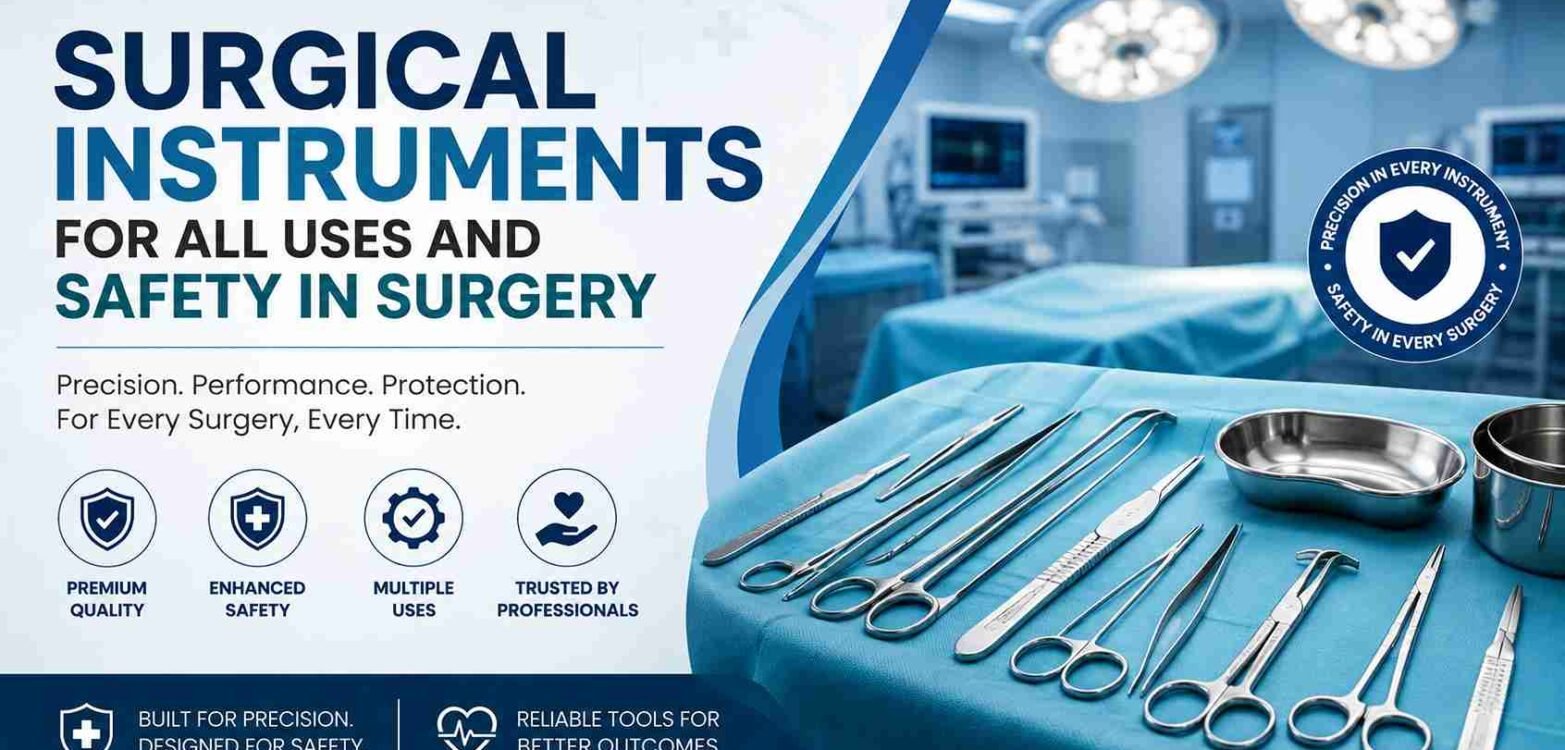
AugWhen it comes to conducting surgical procedures you need precision, preparation and coordination between surgeons, nurses, anaesthesia teams and other healthcare professionals. The right surgical instruments as well as trained medical personnel and a properly outfitted treatment theatre aboard are vital to safely successfully carry out procedures.
Instruments range from rudimentary cutting and grasping devices to highly intricate instruments used in advanced surgery, with specific surgical procedures employing unique instruments. A systematic surgical safety checklist serves to confirm the essential information with healthcare teams before, during and after an operation.
What Are Surgical Instruments?
To perform precise tasks at a time, surgical instruments are specialised medical tools. Instruments may be used for cutting tissue, holding or grasping structures, controlling bleeding (hemostasis), retracting tissue, suturing or performing a variety of other surgical tasks depending on their role.
The instruments needed may vary as per the type of surgical speciality, the role of each team member, case requirements and overall operating theatre protocols.
Read Related – OT Light Buying Guide – Features, LED Benefits & Pricing Options
Surgical Instruments Name and Categories
Hundreds of surgical instruments are used in the different medical specialties. By knowing the common names of surgical instruments types and what they are used for, healthcare professionals and planners in medical equipment can start to determine the right suitable equipment.
- Scalpel
Scalpel is a precise surgical instrument used for making incisions. Typically, it includes a handle with a sterile blade.
- Surgical Scissors
These scissors are used for cutting up the tissue, sutures, bandaids and other materials. There are many different designs available for different applications.
- Forceps
Forceps are used to grasp, hold open bodies and tissues or in any other manipulation of the tissues and other materials. These consist of tissue forceps, dressing forceps.
- Hemostatic Forceps
Artery Forceps, one of the types of hemostatic instruments that are used to clamp blood vessels or tissues and help control bleeding.
- Retractors
Those retractor devices are designed for holding tissues or organs away from the surgical field, allowing easier visualization of the operative area.
- Needle Holder
A surgical instrument used to hold a suturing needle securely while suturing. It provides the surgeon control of the needle during soft tissue closure.
- Suction Cannula
Suction devices are used to clear blood, fluids, or other materials from the surgical field for visibility.
- Surgical Clamps
Based on the usage of the procedures, clamps are employed to hold or occlude tissues, arteries, vessels, tubes or other structures.
The Significance of Opting for Proper Surgical Instruments
Choosing the right surgical devices is key to keeping sterile and efficient factors of surgery. Instruments should be designed to suit the procedure they are employed in, and conform to the appropriate requirements for quality, sterilisation and maintenance/safety.
Hospitals should also implement proper processes for inspecting, cleaning, sterilising, storing and maintaining instruments. Instruments that are damaged or poorly cared for can disrupt surgical flow, contribute avoidable risk and lead to delayed patient care.
Healthcare facilities must choose instruments that are manufactured and supplied by trusted companies, while also adhering to regulatory and infection control mandates.
Read Related – Medical Equipment Suppliers & Exporters in India
What Is a Surgical Safety Check List?
A surgical safety checklist is a structured communication and verification tool to reduce preventable errors and improve coordination across healthcare high-risk teams during surgical procedures.
This checklist helps the team verify critical information during different phases of an operation. A well-known way is to break the process into three steps:
Before Anaesthesia
The team can confirm important patient and procedure details before anaesthesia begins. It may involve identity of the patient, site of surgery, intended procedure, allergy and anaesthesia considerations among other aspects that pertain to safety.
Before Skin Incision
Prior to the commencement of the operative procedure, the team verifies key communication points and ensures that all participants are aware of the intended surgical course of action.
The team might verify the patient, procedure, surgical site, expect critical events and availability of any necessary equipment/imaging/hardware/resources.
The checklist itself should be customized to match the healthcare organization and relevant clinical guidelines.
What are the reasons why a surgical safety checklist is necessary?
Surgery requires a cast of professionals, intricate operations, special-purpose tools and rapid decision-making. With a checklist, you are providing an opportunity for the team to stop, talk and confirm some critical information.
A well-implemented checklist can help:
- Enhance communication between team members involved in surgery
- Confirm patient and procedure details
- Support correct-site surgery practices
- Identify potential safety concerns
- Improve team coordination
To elaborate — surgical instruments and protocols too have an intrinsic connection. Instrument must be ensured to be available, sterilised, functional and appropriate for the procedure within the operating theatre team.
Counts of instruments are likewise an important component of surgical safety protocols. Make sure your teams are conducting instrument counts as indicated, including sponges, needles and other items prior to and following surgery.
It is equally important to ensure the proper storage, sterilisation, maintenance and handling of all the instruments used in providing a safe surgical environment.
Gaddiel Industries — Healthcare Equipment Solutions
Gaddiel Industries is a Delhi-based company that offers healthcare infrastructure and medical equipment solutions for hospitals, clinics, modular operation theatres and other healthcare facilities. Surgical instruments are an integral part of the modern surgical environment; however, a well-organized infrastructure and equipment, communication systems and safety processes are essential in the same.
Now, as a healthcare facility and a place to create a surgical instruments name list or medical equipment plan, you will have to adjust the strategies of each surgical specialty and procedure. Likewise, an appropriate surgical safety checklist has to be integrated into the hospital’s existing clinical protocols.
Read Related – Approved Medical Disposables and Surgical Products List
Conclusion
This practice involves surgical instruments that most of the surgeries share, each instrument are designed for different purposes. A good knowledge of common surgical instruments’ names and their use can help you to manage the operating theatre effectively.
A well-implemented surgical safety checklist, on the other hand, can reinforce communication and assist healthcare teams in confirming critical aspects of safety at key points in the surgery.
Frequently Asked Question –
1. What are surgical instruments?
Specialised tools used during surgical procedures for cutting, grasping, clamping, retracting, and suturing.
2. What are common surgical instruments?
Scalpels, scissors, forceps, retractors, needle holders, clamps, and suction cannulas are commonly used.
3. What is a surgical safety checklist?
A checklist used by the surgical team to verify essential patient and procedure safety details.
4. Why is a surgical safety checklist important?
It improves team communication and helps reduce preventable errors during surgery.
5. What are the main stages of the checklist?
Before anaesthesia, before skin incision, and before the patient leaves the operating room.